


The Freezer Is a Food Savings Tool: How to Make Food Last Longer, Reduce Waste, and Save Money on Groceries

Updated: May 10
When Food Needs to Stretch Further at Home: A Guide to Freezing Food
For many households, food decisions are now being made within tighter financial limits. This affects how people shop, what they choose, and how far groceries need to last through the week.

It’s not about buying more or less — it’s about making sure food can realistically last long enough to be used fully. Even with careful planning, there is a common pattern at home:
Some foods don’t always get used within their best window.
Fresh ingredients can spoil sooner than expected.
Plans change during the week.
Some items don’t get used before they lose quality.
This is where small systems at home can make a big difference in reducing food waste and grocery spending.
One of the most effective tools for this is already in most kitchens: the freezer.

Why Freezing Food Is a Practical Food Saving Strategy
Freezing food is often seen as storage, but from a food literacy and dietitian perspective, it plays a much bigger role. It helps bridge the gap between when food is purchased and when it can realistically be used.
Food in the home doesn’t always move in a straight line. It shifts with:
Time constraints.
Energy levels.
Schedule changes.
Meal planning flexibility.
Because of this, food can lose value not because it isn’t useful — but because it wasn’t used in time.
Freezing food helps address this by acting as a pause point for food use. It's a savings bank for your grocery budget!
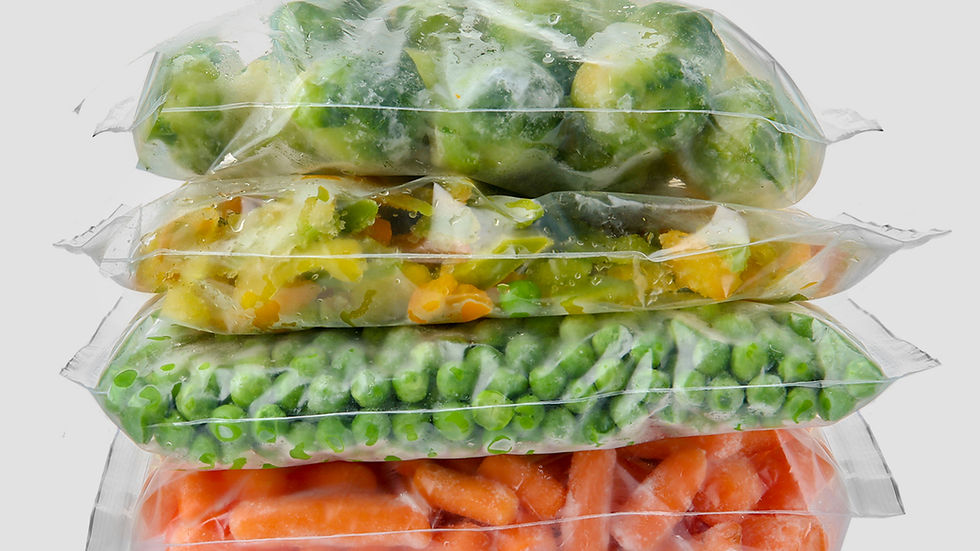
How Freezing Food Supports Better Food Savings at Home
1. Helps Extend the Usable Life of Groceries
Food can be stored until it fits into a future meal instead of being rushed into use.

2. Reduces Food Waste at Home
Ingredients that may not be used in time can still be saved and used later.
3. Supports Flexible Meal Planning
Meals don’t need to rely only on what is fresh in the fridge that day.
4. Protects the Value of Groceries Already Purchased
Food already paid for is more likely to be fully used.
5. Reduces Last-Minute Food Decisions
Having frozen options available helps reduce reliance on convenience foods.
What Foods Freeze Well (Freezer Food Storage Guide)
A common misconception is that only certain foods freeze well. In reality, many everyday foods can be preserved.

Protein Foods
Cooked chicken, turkey, beef.
Ground meat (cooked or portioned raw).
Beans and lentils (freshly cooked or canned - after opening).
Soups, stews, chili.

Fruits and Vegetables
Berries.
Bananas (for smoothies, baking).
Spinach and leafy greens.
Peppers, onions, chopped vegetables.
Chopped onions, garlic & herbs.

Staples and Prepared Foods
Cooked rice, quinoa, pasta (extra benefits for those with blood sugar issues!).
Muffins, pancakes, baked goods (portion control assistance too).
Bread, wraps, bagels.
Fully prepared meals in portions.
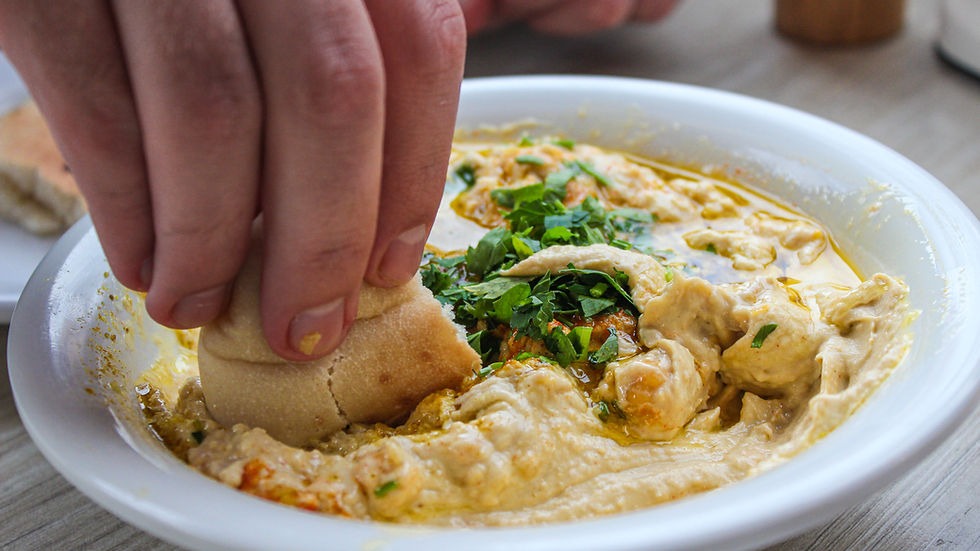
Dips & spreads (hummus, spinach dip).
Dairy and Pantry Add-Ins
Shredded cheese.
Milk (for cooking and baking).
Yogurt (best for smoothies).
Tomato paste, pesto, sauces.
How to Freeze Food with a Simple System (3 Step Guide)
Freezing food works best when it’s done with intention and structure.
Step 1 – Portion Food Before Freezing
Freeze in meal-sized or recipe-sized portions to make later use easier.
Step 2 – Label Everything Clearly
Include:
What it is (ex. 2 chicken breasts).
The date it was frozen (at least month & year).
Step 3 – Use Freezer-Friendly Formats
Flat freezer bags.
Small containers.
Ice cube trays for sauces and portions.
This makes food easier to integrate into meals later.
Common Sources of Food Waste at Home
Many households lose food value in small, repeated ways such as:
Half-used containers of dips, sauces, or spreads.
Extra portions of cooked meals.
Bulk purchases that are not fully used.
Fresh produce that loses quality before use.
Even foods like hummus, sauces, or soups can be frozen in portions to prevent unnecessary waste.
How Freezing Food Helps You Save Money on Groceries
Freezing food does not change what you buy — it changes how much of it gets used.

The financial impact comes from:
Fewer groceries being thrown out.
Less frequent replacement of spoiled food.
Better use of bulk or sale items.
Fewer convenience food purchases.
Over time, this supports more efficient use of the grocery budget.
How to Build a Simple Freezer System at Home
Instead of freezing randomly, a simple structure makes it more effective.
Step 1 – Identify Repeat Foods
What foods are consistently bought and not always fully used?
Step 2 – Portion Right After Shopping or Cooking
Separate what will be used now vs later.
Step 3 – Organize Freezer "Zones" / Areas
Quick meals.
Ingredients.
Backup meals.
Step 4 – Rotate Stock
Use older frozen items first. (First In, First Out - FIFO Method).
Step 5 – Keep Emergency Meals Available
This supports busy weeks and reduces takeout reliance.
Common Mistakes When Freezing Food
No labeling (leads to forgotten food).
Freezing large un-portionable amounts (hard to defrost, or still don't use/eat it all).
Overcrowding freezer space.
Treating freezer as overflow instead of a system.
Not using frozen food intentionally.
Not "shopping" in your freezer first.
Why This Matters Beyond Food Waste
Freezing food supports:
More consistent home meals.
Less reliance on last-minute food decisions.
Better use of groceries already purchased.
More stability during busy weeks.
It is not just a storage method — it is a household food savings system/method.
Final Thoughts: The Freezer as a Budgeting Tool
The freezer is often overlooked as a simple storage space. But when used intentionally, it becomes a practical tool for:
Reducing food waste.
Improving grocery efficiency.
Supporting food access at home.
In a time where food costs require more careful planning, small systems like this can make everyday eating more manageable and more consistent.
Want more practical strategies like this?
Download the Freezer Food System Savings Guide & Checklist.


Comments